Helping a Shropshire harness maker improve consistency and keep heavy horse craft alive
How bespoke polyethylene foam components helped a traditional horse collar maker maintain quality, consistency and craft heritage
Background
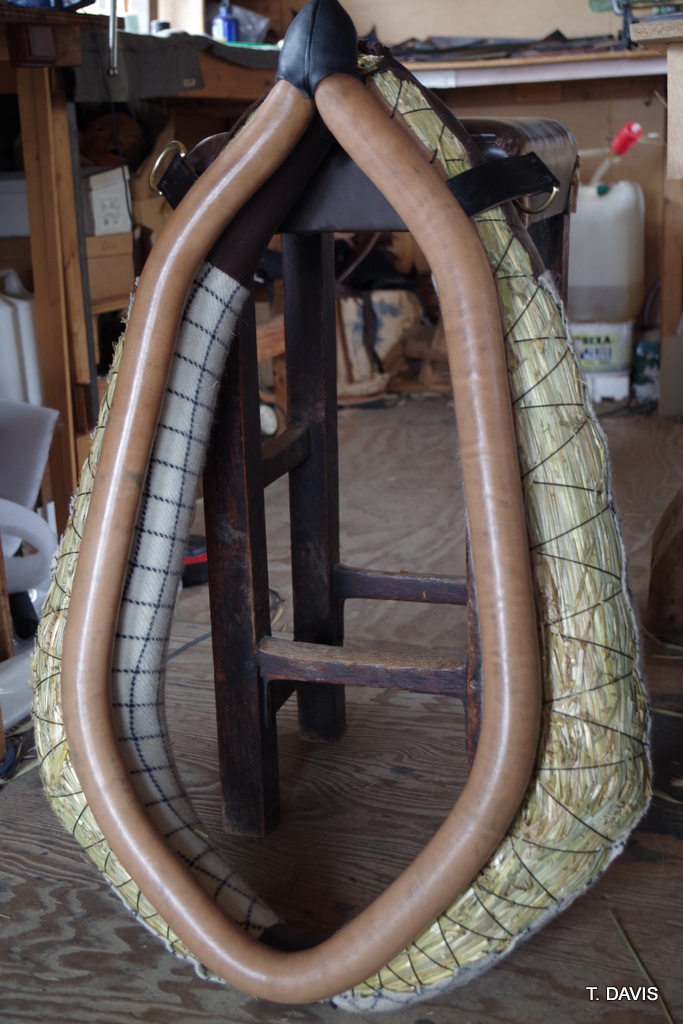
Terry Davis is one of the last traditional horse collar makers in the UK. Working from his workshop in Wistanstow, Shropshire, he handcrafts collars used around the world, each one shaped around a horse’s neck using specialist materials and generations of knowledge.
After sustaining a serious hand injury in 2009, Terry needed an alternative to the traditional leather tube packed with rye straw. He required a material that was strong, resilient and easier to work with. When he first approached Kewell Converters, he found a supplier who understood both the practical demands and the heritage importance of his craft.
The challenge
Terry produces very small batches and his production levels have fluctuated in recent years. Originally Kewell Converters manufactured Terry’s components using roll-formed foam tubing. While this created excellent results, the process is extremely labour intensive and no longer viable for very low volume orders.
Terry needed:
- Smaller and more cost-effective quantities
- Consistent outer diameters
- Foam material that maintains strength and shape for many years
- A supplier willing to adapt processes to support a niche artisan craft
The solution
Kewell Converters continued to use the LD60 polyethylene foam Terry has relied on for over a decade. It offers the right density and durability for collars that must hold their shape over time.
To keep supporting Terry despite the reduced volumes, the team explored alternative manufacturing methods. The most practical solution was to adapt the CNC Vertical Contour Cutting machine, programming a sideways cutting path to replicate the tube-like profile as closely as possible in smaller quantities.
This approach:
- Allows production in short, affordable batches
- Maintains the material performance Terry depends on
- Produces lengths that Terry can manually trim and finish to meet the exact dimensions required for each collar
Although the CNC method naturally differs from the original tubing machine, it ensures Terry can continue his craft without prohibitive setup costs. Throughout the project, Chloe in Customer Care provided regular updates while the production team trialled different setups to achieve the most consistent outcome.
The results
Working collaboratively, Kewell Converters and Terry created a reliable, sustainable approach that supports his production needs and maintains the quality expected of traditional heavy horse collars.
The LD60 polyethylene foam continues to provide the strength and longevity required for collars that often last for decades. As demand for heavy horse equipment gradually increases again, Kewell Converters remains committed to supplying dependable, well-made foam components that help preserve both the heritage and the future of this rural craft.
Preserving heritage through engineering support
This project reflects Kewell Converters’ dedication to supporting specialist makers and traditional industries. By adapting modern foam engineering techniques and offering a flexible, collaborative approach, the team helps ensure this rare craft can continue for years to come.
If you need bespoke foam components, including tubing, cases or custom-cut profiles, the Kewell Converters team can help you identify the most effective foam solution for your project.