19th October 2026
Inside our factory: National Manufacturing Day 2026 at Kewell Converters
Read more >
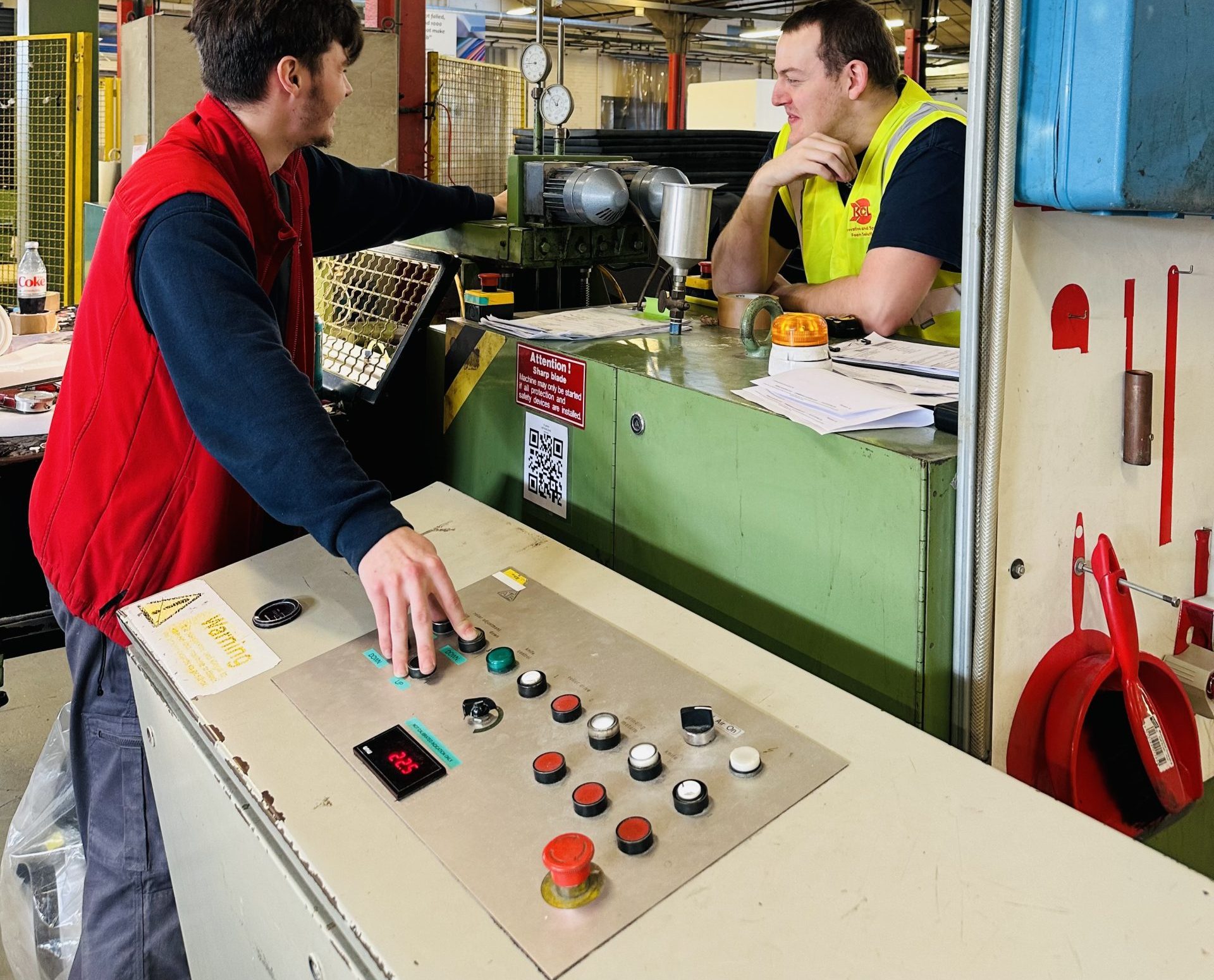
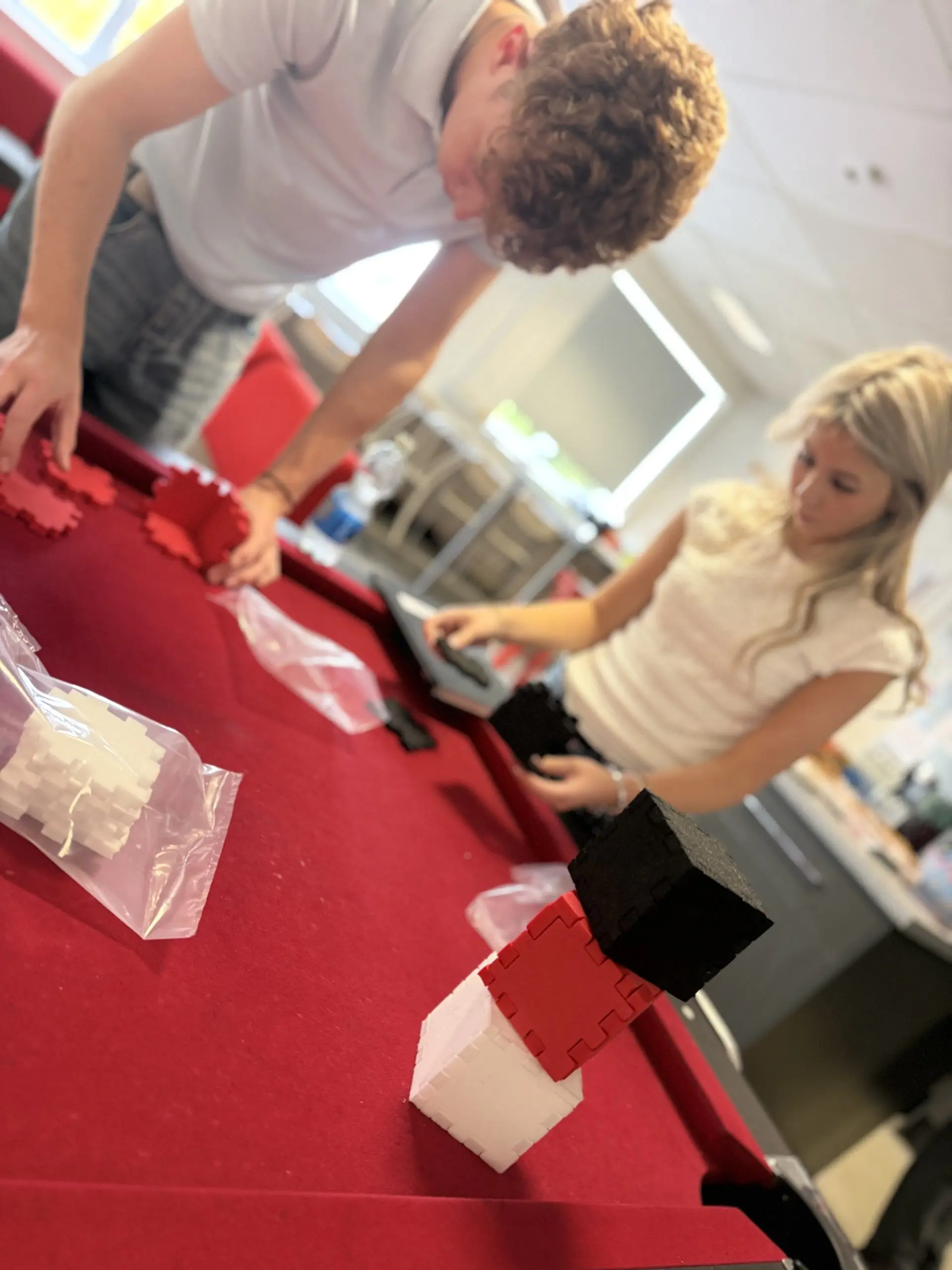
Over the past eight weeks, Kewell Converters has been working with two students from local specialist schools to give them a hands-on introduction to foam engineering and manufacturing.
Danny from The View School in Edenbridge and Shaun from St Piers School in Lingfield have each spent one day a week inside the Kewell Converters factory, gaining practical experience across different parts of the foam materials business.
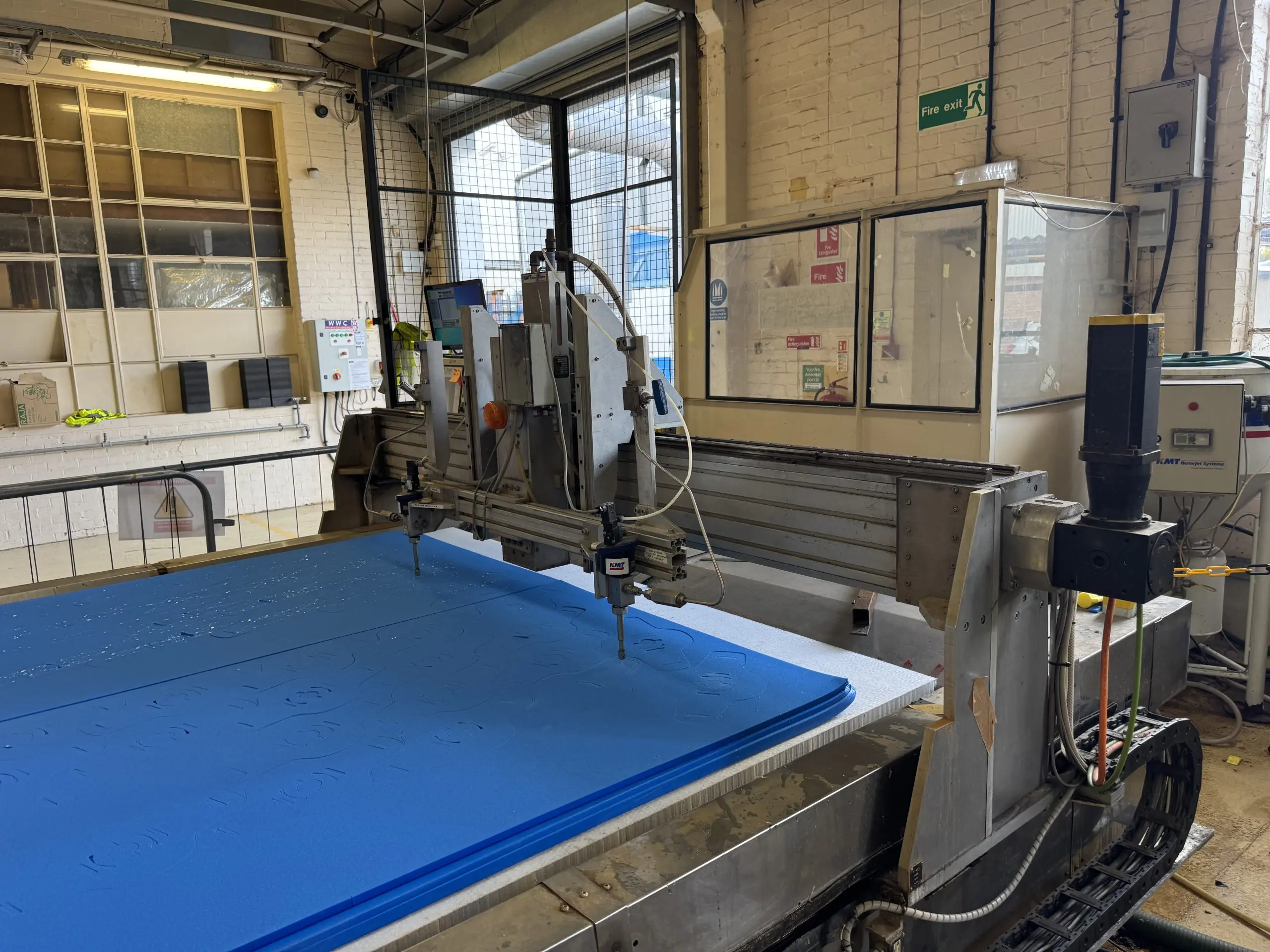
Rather than a one-off visit, the placements were designed to give the students a genuine insight into how a modern engineering company operates, from early design stages through to production on the factory floor.
For both students, it was their first experience working inside a live manufacturing environment.
During their placements, Danny and Shaun were introduced to several areas of the Kewell Converters operation, including:
This allowed them to see how specialist foam materials are engineered into components used in industries such as aerospace, defence, healthcare and industrial engineering.
Danny quickly developed a particular interest in the design side of the business, spending time learning how engineers use CAD software to design foam components before they are manufactured.
For the team at Kewell Converters, the experience was equally rewarding.
Nick Kewell, Managing Director, said:
“One of the things we’ve seen through these placements is the real potential some young people with additional learning needs have in engineering environments. Manufacturing often requires focus, attention to detail and problem-solving, qualities many of these students demonstrate when they’re given the opportunity.”
Programmes like this are increasingly important as the UK engineering sector faces a growing skills challenge.
Labour market projections from Skills England suggest that engineering occupations will experience one of the highest rates of employment growth by 2030. Expected growth in jobs in clean energy, defence, digital and housebuilding over the next 5 years, amount to 834,000 additional jobs. For these sectors alone the expected workforce size in 2030 is 5.3 million.
Across the UK, employers and educators are increasingly recognising the importance of giving young people practical exposure to engineering and manufacturing environments. Work placements and employer engagement programmes allow students to see how design, materials and production come together in real-world applications.
For many students, particularly those with special educational needs, these experiences can help bridge the gap between education and employment by showing how their skills and interests can translate into real careers.
Nick believes employers have an important role to play in helping young people discover engineering careers earlier.
“Manufacturing is still something many students never get the chance to see first-hand. When they come into the factory and watch the machines running, see the materials and understand how products are made, something clicks. Work experience builds confidence and shows young people that engineering is a practical and creative career.”
The partnership between Kewell Converters and The View School also extended beyond the factory.
As part of National Careers Week, Nick Kewell visited the school to speak with students about careers in engineering and manufacturing.
During the session, he brought along foam materials and finished foam components so students could see and handle examples of the types of products engineered at the company.
The talk highlighted how materials engineering supports sectors such as:
For many students, it was the first time they had been introduced to the variety of careers available within modern manufacturing.
Amy Marchant, Deputy Head at The View School, said experiences like this can make a significant difference for students.
“A lot of our students don’t always realise the skills they already have. Opportunities like work placements and employer talks help open their eyes to the careers that could be available to them and build confidence in their own abilities.”
Experiences like this show how relatively small steps from employers can make a significant difference to young people exploring engineering careers.
For manufacturers considering similar initiatives, even simple actions can have a big impact, such as:
These experiences help students understand how their skills might apply in the workplace and give them a clearer picture of the opportunities available within modern manufacturing.
For employers, they can also be a rewarding way to support the next generation of engineers while strengthening connections with the local community.
For Kewell Converters, supporting students in this way reflects the values that have shaped the company since it was founded more than 50 years ago.
Engineering is built on curiosity, practical problem-solving and craftsmanship, qualities that are often best discovered through real-world experience rather than classroom learning alone.
By giving students the chance to spend time inside a working factory, the team hopes to inspire the next generation of engineers, designers and foam manufacturing specialists.
And for young people exploring their future careers, sometimes the most important step is simply seeing engineering in action.