
19th October 2026
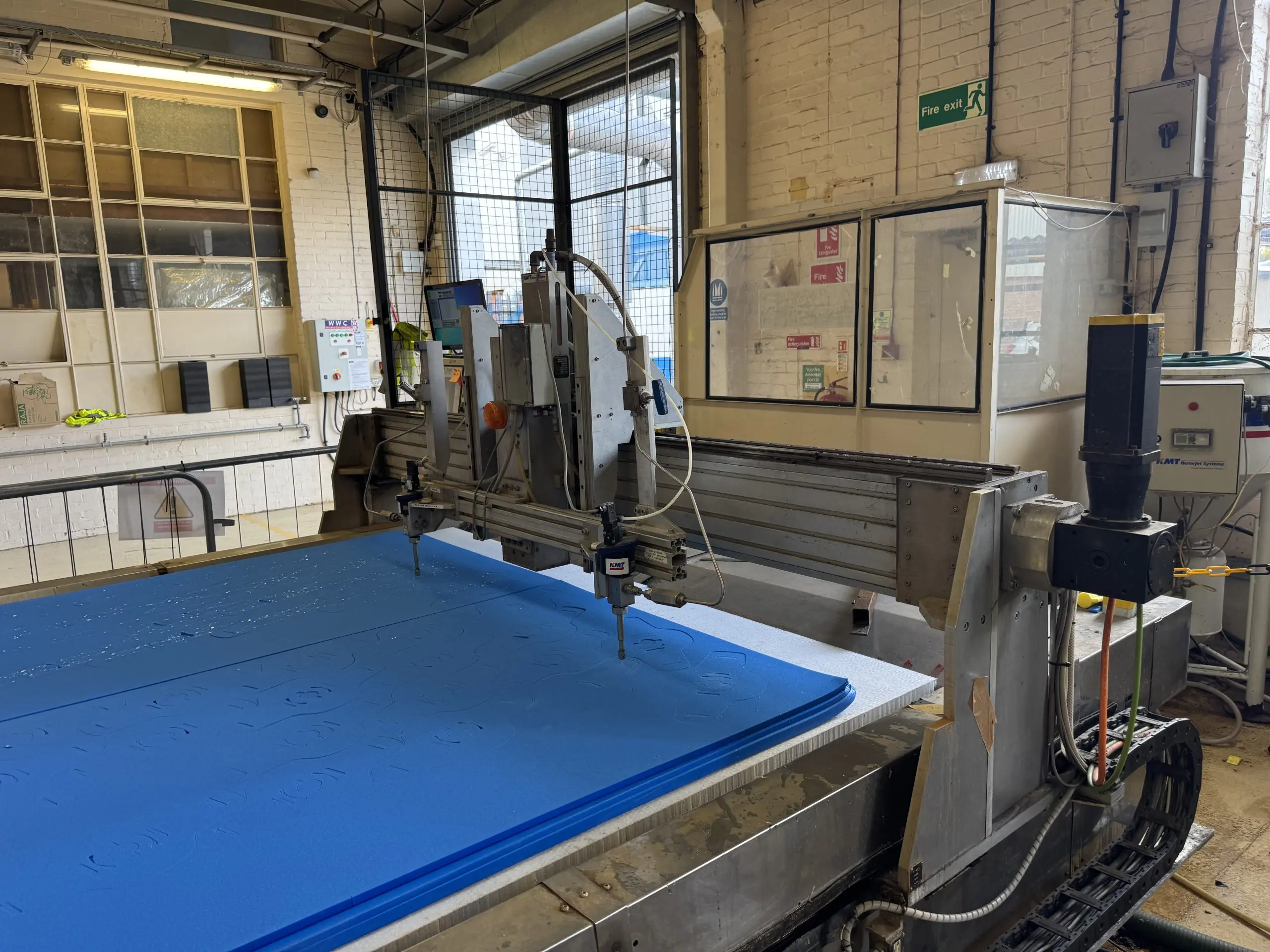
Inside our factory: National Manufacturing Day 2026 at Kewell Converters
Read more >

Recent reporting across UK manufacturing and plastics sectors highlights widespread cost increases and supply chain disruption, particularly in technical materials. This page answers some of the most common questions we’re being asked by customers and partners.
Material surcharges are being driven by a combination of global factors affecting supply chains.
These include:
· Geopolitical tensions impacting raw material availability
· Volatility in energy markets
· Increased production and transportation costs
· Supplier-led price adjustments across specialist materials
Industry reports indicate that cost pressures are now widespread across plastics and related sectors.
Not all materials are affected equally.
Surcharges are currently being seen across selected technical foam materials, particularly those used in:
· Aerospace and aviation applications
· Defence and military equipment
· High-performance industrial environments
These materials often involve specialist manufacturing processes and are more sensitive to global supply conditions.
In most cases, surcharges are introduced as temporary measures to manage short-term market volatility.
However, the duration can vary depending on:
· Stability of global supply chains
· Energy costs
· Ongoing geopolitical developments
As a result, timelines are not always fixed and are reviewed regularly.
Recent industry data suggests that the vast majority of plastics and materials manufacturers are experiencing cost increases, with many reporting significant disruption to supply chains and pricing.
In practical terms, this means:
· Surcharges are becoming more common
· Lead times may fluctuate
· Pricing stability is harder to guarantee in the short term
Suppliers are taking steps to reduce the impact wherever possible.
These include:
· Using existing stock to delay cost increases
· Negotiating with material manufacturers
· Optimising production planning
· Reviewing material usage and efficiencies
At Kewell Converters, we focus on clear communication and practical support to help customers plan effectively.
Surcharges are typically applied as a percentage adjustment to affected materials or products.
To maintain transparency:
· They are clearly shown within quotes or pricing breakdowns
· They relate to specific materials or product types
· They are reviewed in line with supplier updates
If you have any questions, our team will be happy to explain.
There are several practical steps that can help manage cost and supply risk:
· Plan ahead where possible to secure materials earlier
· Review material specifications to ensure they remain the best fit
· Maintain close communication with suppliers
· Consider alternative design approaches where appropriate
Early planning and collaboration can make a significant difference.
In some cases, alternative design approaches may help reduce cost or improve availability. However, this depends on the application, particularly in sectors such as aerospace, defence and medical, where performance and compliance are critical.
A technical review is often required to ensure any changes meet the necessary standards.
Lead times may be impacted where material availability is constrained.
This can vary depending on:
· The material type
· Order volumes
· Supplier capacity
We recommend discussing timelines early in your project.
Material volatility highlights the importance of proactive supply chain management.
Many organisations are now:
· Forecasting demand earlier
· Reviewing supplier strategies
· Reducing reliance on multiple suppliers
· Prioritising reliability and technical support
Need help managing material costs or supply risk? Our team can support with planning, material selection and project timelines.
📩 enquiries@kewell-converters.co.uk
This overview reflects current trends reported across UK manufacturing and plastics industry publications.
Further reading and industry context
Recent reporting from UK manufacturing and plastics industry publications highlights the scale of current cost pressures and supply chain disruption.
· The Manufacturer – UK manufacturing outlook and cost pressures
· Circular Online – Plastics industry supply chain disruption and cost increases
· Interplas Insights – Trends affecting plastics and materials markets