
14th September 2026
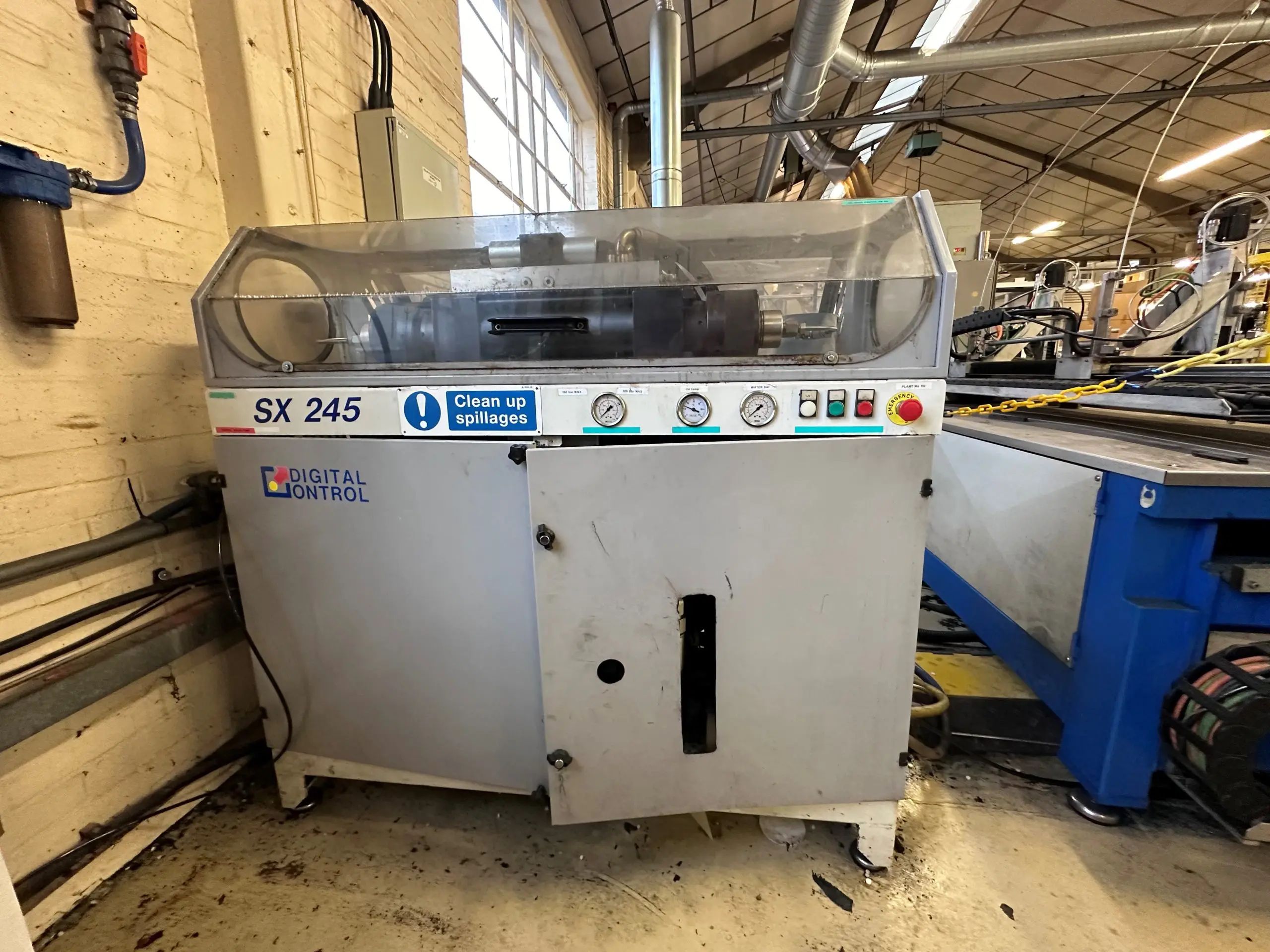
Technological Water Jet SX245 Digital Control High Pressure Pump
Read more >
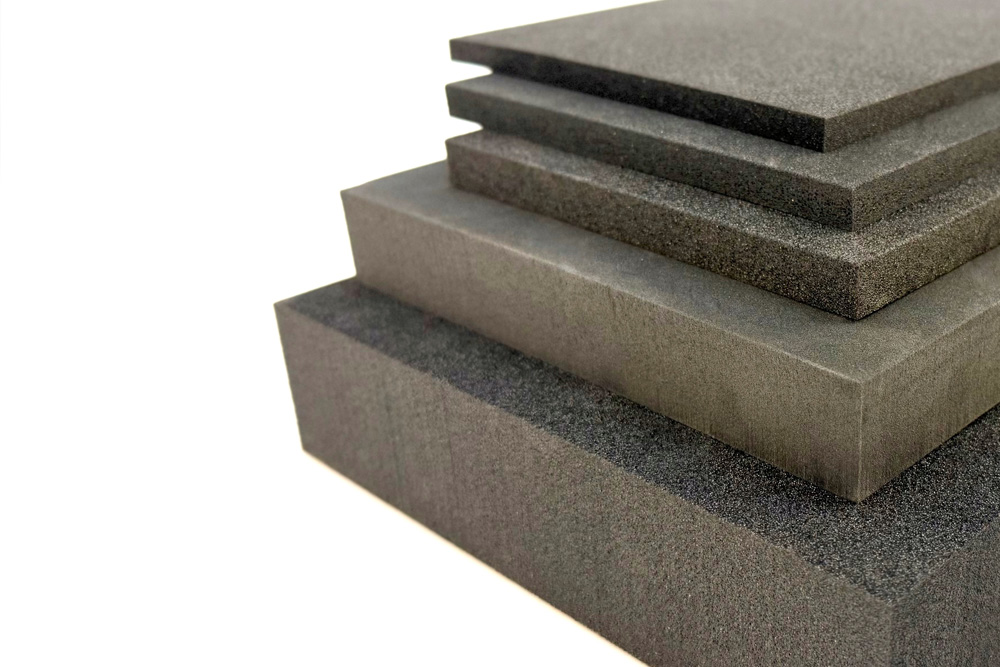
Choosing the wrong foam material can lead to damaged components, premature failure, unnecessary cost and production delays.
In sectors such as aerospace, defence, electronics and industrial manufacturing, foam material selection has become increasingly important as supply chains, lead times and project requirements are more complex.
This guide shares some of the practical considerations engineers and buyers can use to make more informed foam material decisions earlier in the process. From foam inserts that absorb energy to high density polyethylene for heavier items: this article will help you to make the right choice from the start.
As Nick our MD puts it:
“Most problems we’re asked to solve later in a project don’t come from poor manufacturing,” says Nick Kewell. “They usually come from material decisions made too late in the process. When the right material is selected early, everything else becomes much easier.”
There isn’t a single best foam material. The right choice depends on how the component will be used, the environment it will operate in and the performance required over time.
Start with the application itself.
Different loads, environments and handling requirements demand different foam material behaviour.
For example, a foam insert designed to protect sensitive electronic equipment during transport will require very different properties to a structural foam component used within an aerospace or defence environment.
In defence applications, foam inserts may need to protect sensitive or mission-critical equipment during transportation and storage while maintaining consistent performance under demanding conditions.
Different loads and risks require different foam material behaviour. For example:
Understanding what the foam is protecting, and how it will be handled, is the foundation of good material selection. This is particularly important in sectors such as defence, aerospace and advanced manufacturing, where components must perform consistently under demanding conditions.
Environmental conditions often determine whether a foam material succeeds or fails.
Common factors to consider include:
● Temperature extremes
● Moisture or humidity
● Chemical exposure
● UV or weathering
● Cleanroom or sterile environments For example, high temperature foams or fire-retardant foam sheets may be required in aerospace or industrial settings, while closed cell polyethylene foam or EPDM materials may be better suited to outdoor or moisture-prone environments.
Specialist foam materials such as ZOTEK® F OSU are often selected for aircraft interior applications because of their lightweight structure and fire performance characteristics.
Even small environmental differences can change how a material behaves over time.
Performance requirements should always be defined before selecting a material.
Typical performance considerations include:
For example:
Defining performance clearly helps avoid unnecessary redesign later.
Once the application and environment are understood, the next step is to consider the physical properties of the material.
These characteristics directly influence how a foam component performs.
Density affects strength, protection and durability.
Higher density materials generally provide:
Lower density materials typically offer:
Selecting the right density helps balance protection and cost.
Compression set measures how well a foam material returns to its original shape after being compressed.
Materials with poor compression recovery may:
This is particularly important for foam gaskets, seals and cushioning components used repeatedly over time.
Durability determines how well a foam material withstands long-term use.
Recovery refers to how quickly the material returns to its original form after impact or pressure.
Together, these factors influence:
In demanding environments, durability is often more important than initial price.
Many foam material issues can be traced back to a few common decision-making mistakes.
Lower-cost foam materials may appear attractive at first, but can lead to higher long-term costs through:
The lowest price rarely represents the lowest total cost.
Selecting a foam material with performance levels far beyond what is required can increase cost without improving results.
Examples include:
Careful evaluation helps balance performance and cost.
Under-specification can create the opposite problem, insufficient protection or reliability.
This often leads to:
Both over and under-specification usually stem from incomplete information early in the process.
Laboratory data is useful, but real-world testing often reveals issues that specifications alone cannot predict.
“A material can look perfect on paper, but behave very differently in a real production or operating environment,” says Nick Kewell. “That’s why testing, prototyping and early conversations are so important. Small issues caught early are much easier to solve than problems discovered after production starts.”
Testing prototypes under realistic conditions helps identify:
This step can prevent costly failures later.
Material selection works best when engineers, designers and suppliers collaborate early in the design process.
Early input allows time to:
This approach reduces risk and improves efficiency across the project lifecycle.
It also helps simplify supply chains. Increasingly, organisations are working with fewer suppliers who can support both design and production, reducing coordination and improving reliability.
Choosing the right foam material isn’t about selecting the most advanced product or the lowest price. It’s about matching the material to the application, environment and performance requirements.
When these decisions are made early, and based on practical understanding, projects run more smoothly, products perform more reliably and unexpected costs are reduced.
That’s why foam material selection is no longer just a technical task. It’s a strategic decision.
If you’re reviewing a design, planning a new product or reassessing material performance, it can be helpful to discuss options early.
Early technical input can often prevent costly redesigns, material issues or production delays later in the project lifecycle.
For organisations working in demanding or safety-critical environments, those conversations can make a significant difference to long-term performance and reliability.
If you’re unsure which foam material is best suited to your application, Kewell Converters can provide practical guidance during the early design and specification stage. You can also explore our industry glossary to learn more about common foam materials, processes and technical terms.
Nick Kewell is Managing Director of Kewell Converters, a family-owned British foam conversion specialist based in Kent. With more than 50 years of engineering experience behind the business, Kewell Converters supports customers across defence, aerospace, medical and industrial sectors with precision-engineered foam components and practical design
14th September 2026
Read more >
14th September 2026
Read more >
14th September 2026
Read more >