14th September 2026
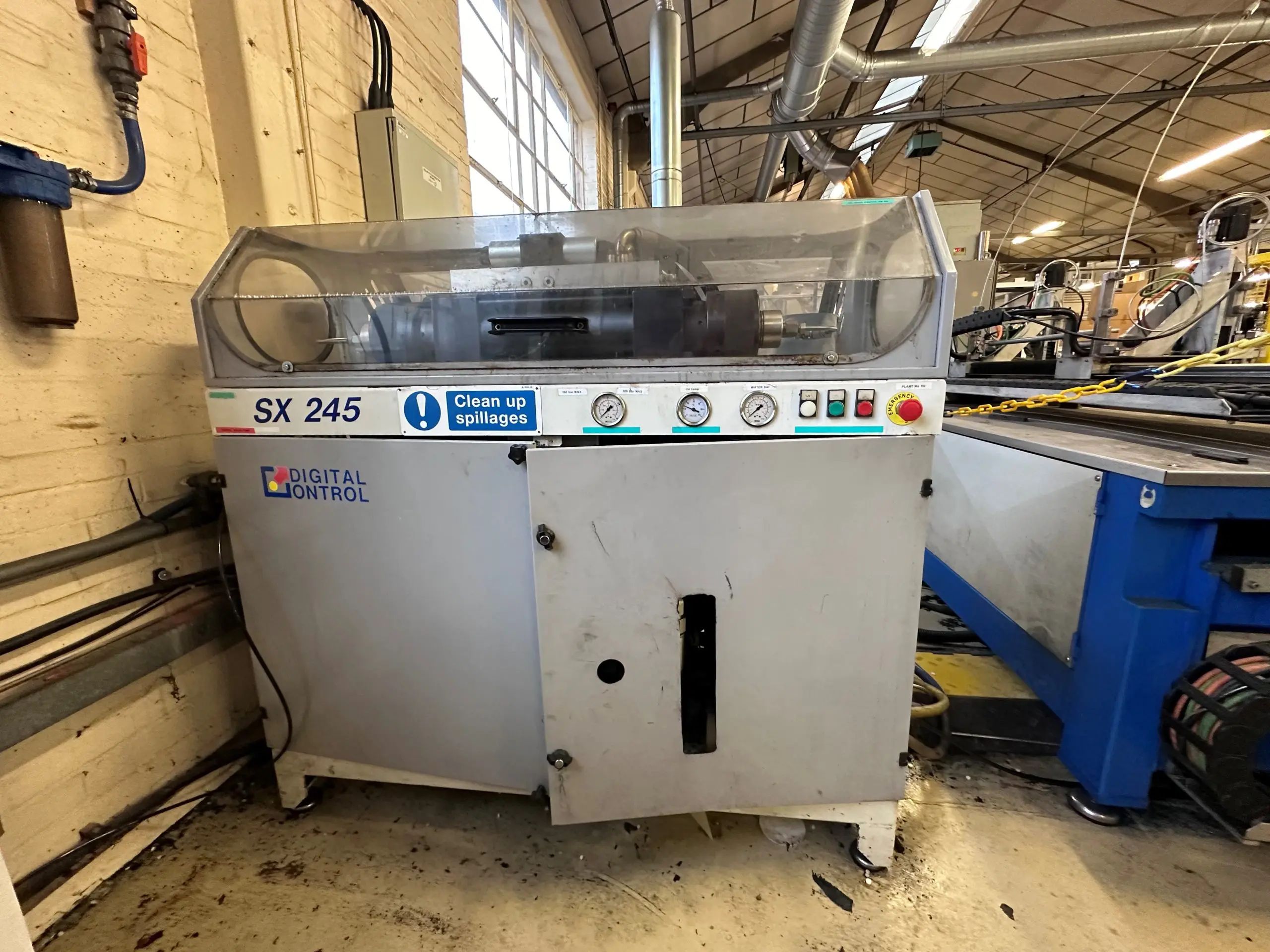
Technological Water Jet SX245 Digital Control High Pressure Pump
Read more >

A few years ago, most engineers could specify a material with confidence that it would be available when production started.
Today, that’s not always the case.
Lead times fluctuate. Specialist materials can become difficult to source. Costs can change quickly. And a specification decision made early in a project can have consequences months later.
As a result, supply chain resilience is becoming part of the engineering conversation, not just the responsibility of purchasing or supply chain teams.
This is particularly true when working with technical foam materials. A foam component may look simple on a drawing, but the wrong material choice, a late specification change or an unreliable supply route can affect production schedules, compliance, product performance and long-term costs.
As Nick Kewell, Managing Director of Kewell Converters, explains:
“People often think supply chain problems start when an order is placed. In reality, they usually start much earlier when materials are specified without fully considering availability, lead times or future production requirements.”
These challenges are not unique to technical foam. Recent data from the Office for National Statistics (ONS) shows that supply chain concerns remain a challenge for many UK businesses, highlighting the ongoing impact of global disruption, logistics pressures and market uncertainty.
For engineers, purchasing teams and supply chain professionals, reducing risk increasingly comes down to making better decisions earlier.
Supply chain risk matters because material decisions affect much more than price. They can influence availability, production schedules, documentation, compliance requirements and long-term product performance.
In many engineering and manufacturing projects, technical foam is specified for a particular purpose. It may need to protect equipment, absorb impact, insulate, seal, cushion, resist chemicals, meet fire performance requirements or support clean assembly.
That means specification decisions should consider:
Leaving these decisions too late can limit options and create avoidable pressure if a preferred foam material becomes unavailable, unsuitable or subject to fluctuating lead times.
Late foam material decisions can create problems that are not always obvious at the start of a project.
These may include:
In sectors such as aerospace, defence and advanced manufacturing, these risks can become even more significant.
A foam material may need to meet strict tolerances, audit trail requirements or sector-specific performance standards. The challenge is often not simply obtaining the material, but ensuring it can be converted accurately, documented correctly and reproduced consistently over time.
For aerospace and defence buyers, the question is rarely just “Can we get this material?”. It is increasingly “Can we get this material consistently, convert it accurately and repeat the result every time?”.
Many supply chain issues can be identified before they become serious problems.
Warning signs may include:
Identifying these risks early allows manufacturers to explore alternatives, review specifications and plan production more effectively.
One of the most effective ways to reduce risk is through stronger collaboration across the supply chain.
Industry research increasingly points to supplier collaboration as a key factor in improving resilience, helping manufacturers improve visibility, responsiveness and long-term planning.
Long-term relationships between material manufacturers, converters and end users often create better communication, faster decision-making and greater flexibility when market conditions change.
When suppliers work closely together, they can often:
This is particularly valuable in technical foam conversion, where sourcing is rarely just a transaction.
As Nick explains:
“Sometimes the material that looks right on a drawing isn’t the most practical choice once you consider lead times, tolerances, processing requirements and repeat supply. That’s where an early conversation can save a lot of time later on.”
Increasingly, engineering, purchasing and supply chain teams are working together earlier in the specification process.
Purchasing may focus on cost, availability and supplier reliability, while engineers focus on performance, tolerances and application requirements. The best outcomes often come when both perspectives are considered before a specification is finalised.
Cost will always be important, but the lowest unit price doesn’t always represent the lowest overall project cost.
If a cheaper material creates production issues, becomes difficult to source or fails to meet performance requirements, the resulting costs can quickly outweigh any initial saving.
These costs may include:
This is particularly relevant for technical foam materials used in:
In these applications, reliability and repeatability are often just as important as purchase price.
At Kewell Converters, many projects involve strict documentation, traceability and quality requirements. A recent Ministry of Defence-related project, for example, required military-grade materials, multiple production stages and close coordination across suppliers. Success depended not only on sourcing the correct foam materials, but also on maintaining consistency, documentation and compliance throughout the process.
In situations like these, supply chain risk isn’t simply about speed. It’s about confidence that every component can be delivered to specification, every time.
Early planning gives manufacturers more time to review materials, test prototypes, confirm tolerances and prepare production processes.
The principle is simple: the earlier potential issues are identified, the easier they are to solve.
This approach has become increasingly important as lead times and material availability have become less predictable.
Practical steps include:
Recent projects at Kewell Converters have shown how early collaboration can help avoid delays and improve outcomes. Whether supporting aerospace applications, defence projects or specialist industrial components, the most successful projects tend to be those where materials, manufacturing requirements and delivery expectations are discussed early rather than after specifications have been finalised.
Before specifying technical foam materials, manufacturers should ask:
Recent discussions around material surcharges have also highlighted the importance of transparency. When prices, lead times and availability are moving, manufacturers need clear communication and practical planning support rather than assumptions.
Supply chain resilience doesn’t begin when an order is placed. It starts much earlier, when materials are being discussed, compared and specified.
For technical foam projects, early collaboration between engineering, purchasing, supply chain teams and specialist suppliers can help reduce avoidable delays, sourcing issues and specification mistakes. It can also support better long-term decisions around cost, performance and reliability.
Whether you’re reviewing an existing specification or planning a new project, it’s worth considering supply chain resilience alongside performance and cost.
As Nick Kewell puts it:
“A short conversation early in the process can often identify risks before they become delays. The earlier you understand the options, the more control you usually have.”
If foam material choice, lead times or supplier reliability could affect your project, it often pays to have those discussions early.
Kewell Converters can help review material options, production requirements and potential supply chain risks, helping you make more informed decisions before they become problems.
Nick Kewell is Managing Director of Kewell Converters, a family-owned British foam conversion specialist based in Kent. With more than 50 years of engineering expertise behind the business, Kewell Converters supports customers across aerospace, defence, medical, electronics and industrial sectors with material knowledge, CAD/CAM design, prototyping and precision foam conversion.
14th September 2026
Read more >
14th September 2026
Read more >
14th September 2026
Read more >