14th September 2026
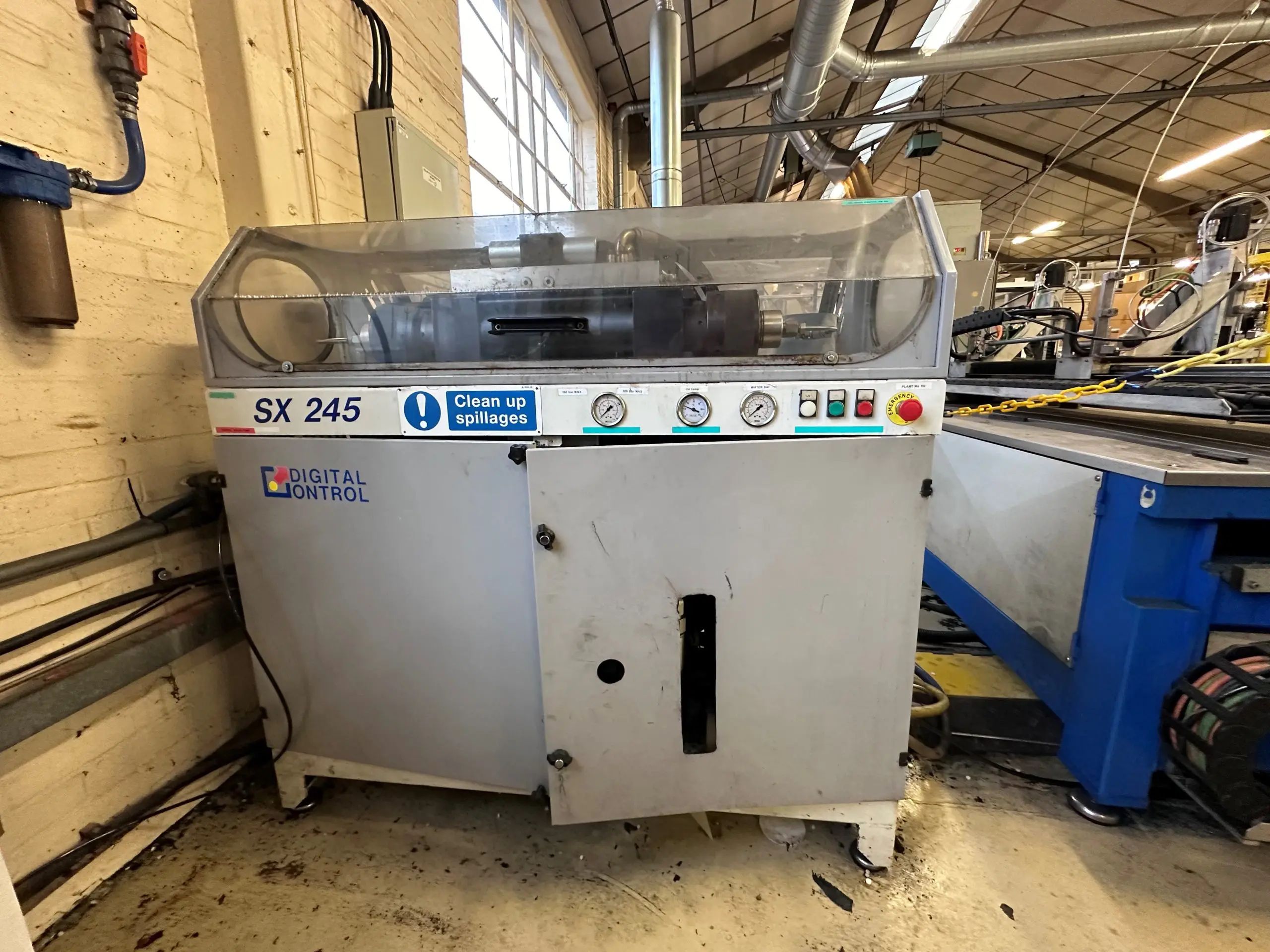
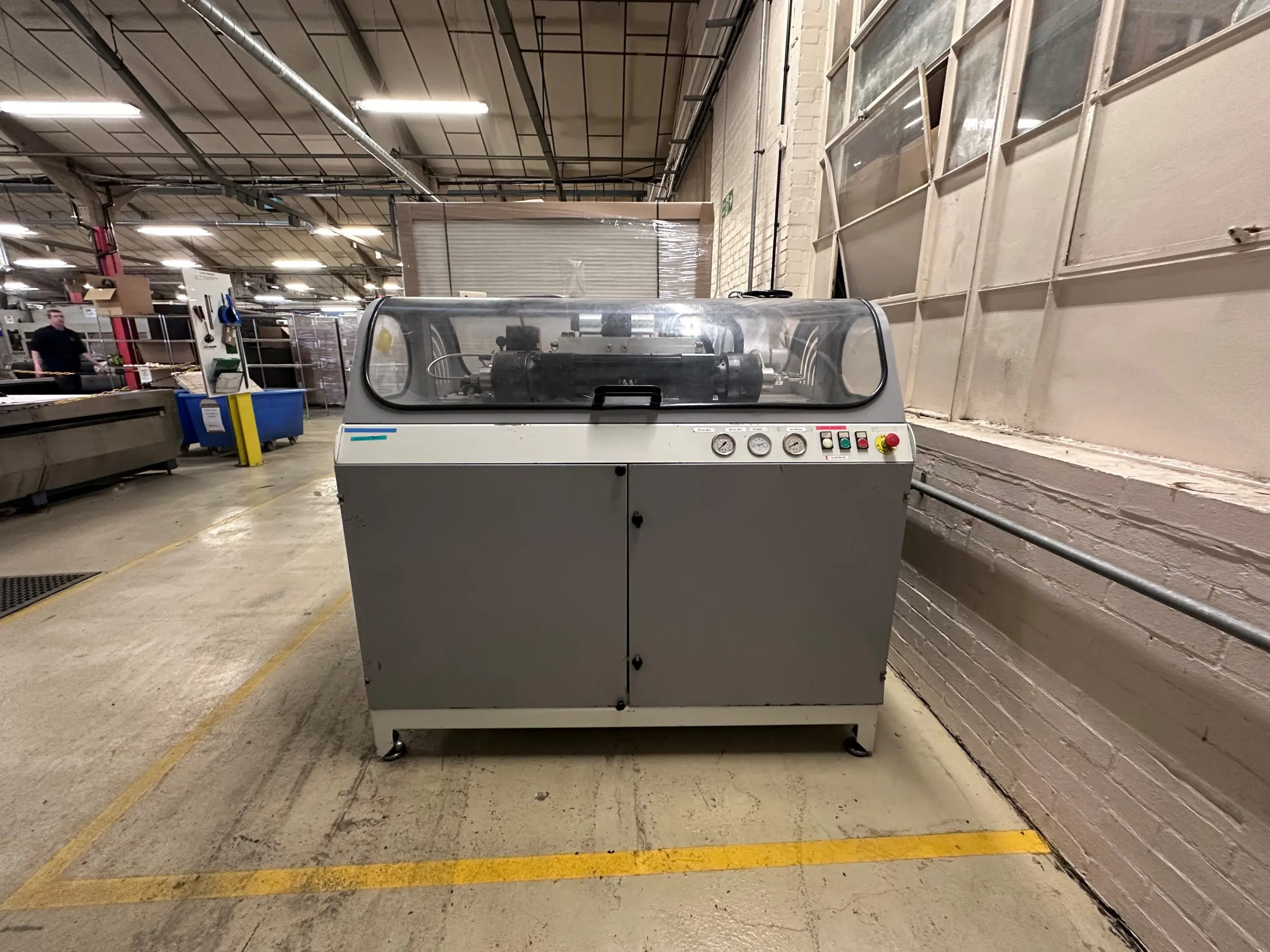
Technological Water Jet SX245 Digital Control High Pressure Pump
Read more >
A better cutting path.
A small tweak to a programme.
A different tool.
But occasionally, those small changes combine to deliver something much bigger.
At Kewell Converters, one recent project reduced machining time on a complex aerospace foam component from over 12 hours to just one to two hours.
The difference came down to one thing: how the problem was approached.
Joel has been part of the Kewell Converters team for just over three years.
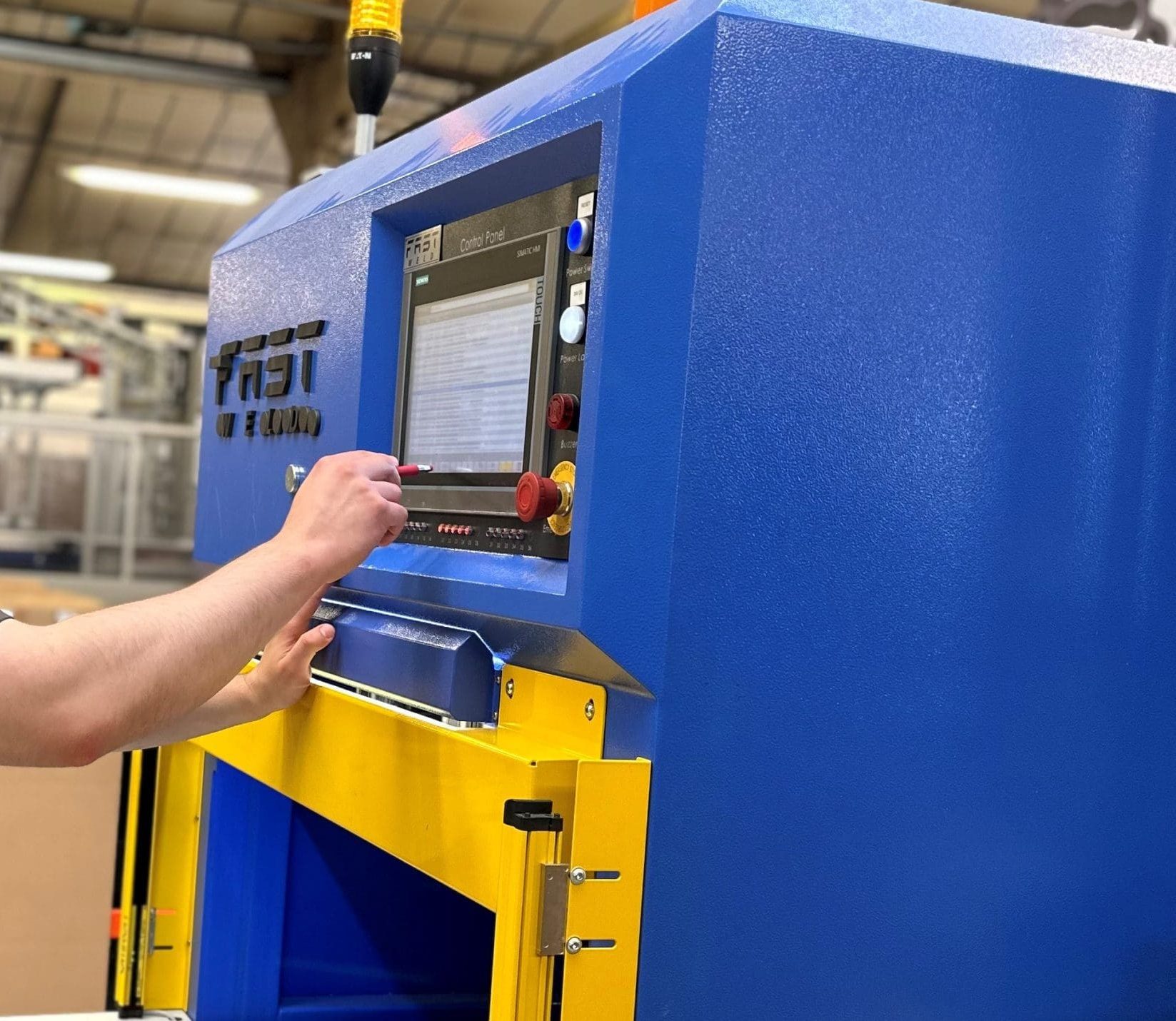
During that time, his role has evolved from hands-on production work into advanced CNC programming and process improvement. Recent training in Mastercam has accelerated that progression, allowing him to work confidently with complex geometries, angled surfaces and multi-axis machining.
“Once you understand how the material behaves, you start to see different ways of approaching the job,” he explains. “You’re not just following a process, you’re improving it.”
That shift has had a noticeable impact across the factory. Tasks that previously took several days can now be completed in a matter of hours, opening up new possibilities for more complex foam components and faster turnaround times.
The most striking example came from an aerospace project involving large aircraft interior foam panels made from Zotefoams F OSU material.
Each panel featured an intricate ribbed profile and required long machining cycles. Initially, production time sat at around 11 to 12 hours per panel.
Rather than accept that as a fixed constraint, Joel took a step back.
“It wasn’t just about running the job faster,” he says. “It was about looking at the whole process – the tool, the programme, how the material was being cut, and asking if there was a better way.”
The solution was a bespoke tooling approach combined with revised CNC programming.
The result? Machining time reduced from 11-12 hours to around one-two hours per panel.
The improvement didn’t come from cutting corners. It came from a deeper understanding of the foam material, the machine and how they interact.
For customers, that translates directly into shorter lead times, improved efficiency and more reliable production.
Foam is often assumed to be easy to work with.
In reality, it presents its own challenges.
Unlike rigid materials, foam can compress, flex or move during machining. That means programming isn’t just about geometry, it’s about predicting how the material will behave under real conditions.
“Foam doesn’t always do what you expect,” Joel says. “You have to allow for that. It’s not just about getting the shape right, it’s about making sure it works in production.”
That’s where experience and technical judgement play a critical role.
The aerospace project reflects a broader change within Kewell Converters.
Across multiple jobs, programming tasks that once took three to five days can now be completed in hours. That shift is enabling:
In some cases, it’s also making previously unfeasible components possible.
“That’s the interesting part,” Joel adds. “Sometimes it’s not just about doing something quicker, it’s about being able to do something we couldn’t do before.”
Like many manufacturers, Kewell Converters is exploring how AI can support foam engineering processes.
The team is currently testing CamAssist, an AI-powered plug-in for Mastercam, to improve quoting and programming efficiency.
One of the biggest gains has been speed in estimating.
“What used to take hours to work out, you can now get a rough idea in 10 to 15 minutes,” Joel says. “It gives you a starting point.”
Behind that sits a growing library of tooling data and programming logic, built up over months of development and refinement.
But the role of AI is clear.
“It doesn’t replace the job,” he explains. “You still need to understand the material and the process. It just helps you get there faster.”
As Joel’s role has developed, so has his responsibility within the team.
He is now helping train another CNC operator, building programming capability across the business and ensuring knowledge is shared rather than held by one individual.
That matters as projects become more complex.
Because in foam engineering, resilience doesn’t come from one expert, it comes from a team that can solve problems together.
The range of work at Kewell Converters reflects the variety of challenges involved in foam conversion.
Recent projects have included:
Each project brings different requirements, constraints and unknowns.
For Joel, that’s part of the appeal.
“The more challenging jobs are the ones you learn the most from,” he says. “That’s where you start to improve how things are done.”
For customers, improvements in CNC programming and process design are not just technical.
They have a direct impact on:
In industries such as aerospace, defence and advanced manufacturing, those factors are critical.
Because the performance of the foam part depends just as much on how it is made as the material it is made from.
Tools, software and machinery will continue to evolve.
But the fundamentals remain the same.
Understanding materials.
Solving problems.
Improving processes.
At Kewell Converters, those improvements are driven by the people behind the machines.
If you’re developing a complex foam component, early engineering input can make a significant difference to performance, cost and manufacturability.
Speak to Kewell Converters for practical advice on materials, CNC machining and foam conversion.
14th September 2026
Read more >
14th September 2026
Read more >
14th September 2026
Read more >