14th September 2026
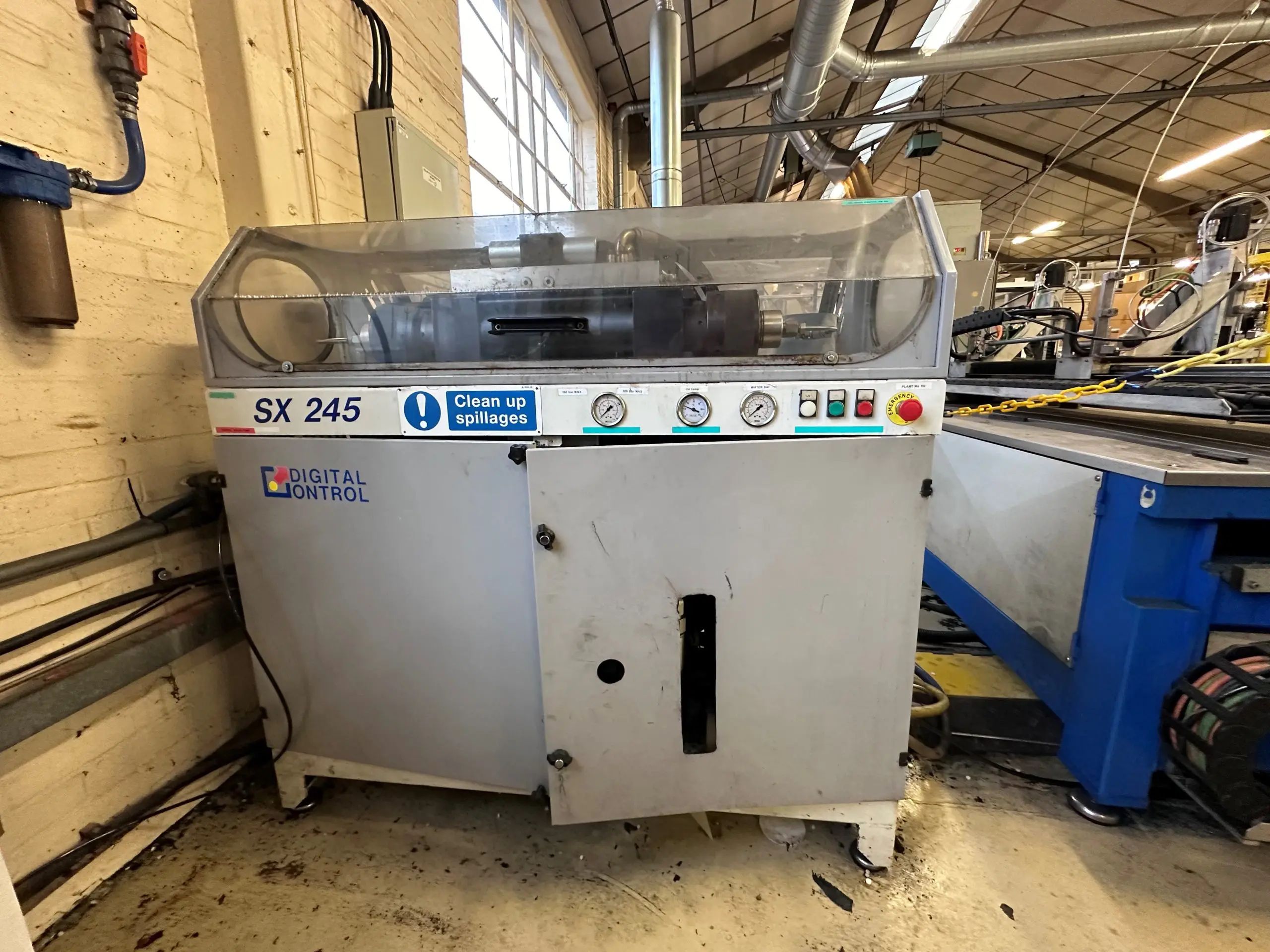
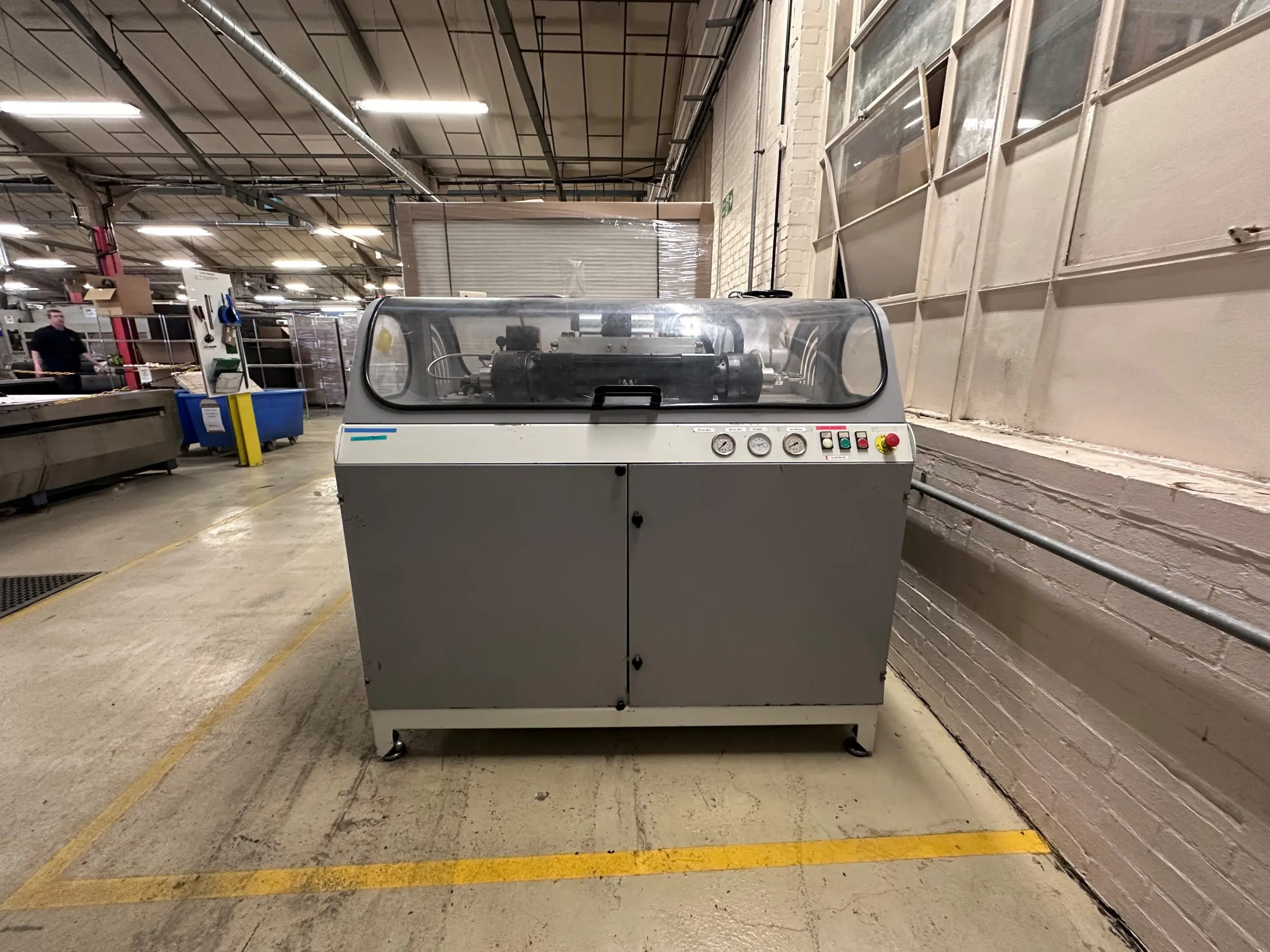
Technological Water Jet SX245 Digital Control High Pressure Pump
Read more >
Early engineering input can reduce cost, improve performance, simplify manufacturing and help avoid expensive project delays.
Foam is often treated as one of the final details in a project. Once the main design is agreed, a foam insert, gasket, seal, panel or protective component is added to complete the job.
In reality, involving a foam converter early in the design process can have a significant impact on product performance, manufacturability, compliance and long-term reliability.
Material selection, tolerances, bonding methods, compression characteristics, environmental resistance and production requirements can all influence how a finished component performs. This is particularly important in defence, aerospace, advanced manufacturing, medical and other safety-critical sectors where foam components must do far more than simply fit.
For engineers, procurement teams and quality managers, involving a specialist foam converter early in the design process can help reduce risk, avoid redesign work and improve project outcomes.
A foam converter should usually be involved before the final specification is agreed, particularly where performance, compliance, repeatability or supply reliability are important.
Foam may look simple, but the right material and conversion method depend entirely on how the component will be used.
A foam component may need to:
When these factors are considered too late, the specification may already be fixed, leaving fewer opportunities to improve performance, reduce risk or simplify manufacturing.
Late supplier involvement can create avoidable problems that affect cost, quality and project timelines.
Common issues include:
In sectors such as defence and aerospace, these issues can affect more than cost. They can delay approvals, disrupt production schedules and create additional work for engineering, procurement and quality teams.
Many foam-related challenges can be avoided by involving a specialist foam converter before drawings and specifications are finalised.
Early supplier involvement is most valuable before the design, material selection or manufacturing method has been finalised. At this stage there is still time to challenge assumptions, compare alternatives and make changes that may improve performance, reduce cost or simplify production.
For foam components, early engineering support can help with:
Early supplier involvement helps identify manufacturing, material and compliance issues before they become expensive to fix.
Importantly, foam performance is rarely determined by material choice alone. The way a material is cut, machined, bonded, layered or assembled can have a significant effect on the final component.
Early involvement also supports Design for Manufacture (DFM) principles, helping ensure components are practical, repeatable and cost-effective to produce at scale.
For example, a small material or design adjustment made during the prototype stage may improve manufacturability, reduce waste, simplify assembly or remove the need for a later redesign. Changes that take minutes to discuss early in a project can become significantly more expensive once drawings, tooling or approvals have been completed.
Where design, prototyping, sourcing and production are considered together, customers may also reduce complexity by avoiding multiple supplier handovers.
For projects involving technical foam components, Kewell Converters can support these discussions before a specification is finalised.
Before a foam specification is finalised, it helps to share:
This gives the engineering team a clearer picture of what the foam needs to achieve, rather than simply what shape it needs to be.
In technical sectors, foam is often part of a wider performance, protection or safety system.
Defence packaging may need to protect sensitive equipment worth thousands or even millions of pounds during transport, storage and deployment.
Aerospace foam components may need to support lightweighting objectives while meeting strict requirements around fire performance, consistency, documentation and traceability.
Industrial and advanced manufacturing applications often require precision, repeatability and reliable supply across ongoing production programmes.
In each case, choosing the lowest-cost material is rarely the best measure of value.
The more important question is whether the foam component will perform reliably, meet the required standards and support the wider objectives of the project.
Foam specification isn’t simply a final production detail. The material chosen, the way it is converted and the point at which suppliers are involved can all influence performance, cost, reliability and long-term supply.
When foam is considered too late, projects can face avoidable challenges such as redesign work, material availability issues, tolerance problems, testing delays and increased supplier complexity.
When foam is considered earlier in the design process, teams have more opportunity to compare options, improve manufacturability and make decisions that support the entire lifecycle of the component.
The most successful foam components are rarely the result of material selection alone.
They come from understanding how a component will be used, how it will be manufactured and how it will perform throughout its lifecycle.
Early engineering input creates opportunities to improve performance, reduce risk, simplify production and support long-term reliability.
For organisations operating in defence, aerospace, medical and advanced manufacturing sectors, those benefits can have a significant impact on project success.
Ideally before the final specification is agreed, while there is still flexibility around material selection, tolerances and manufacturing methods.
Yes. Experienced foam converters can recommend materials based on performance requirements, environmental conditions, compliance needs and production considerations.
In many cases it does. Early engineering input can improve manufacturability, reduce waste, avoid redesign work and help identify more suitable material options.
Design for Manufacture (DFM) is the process of designing components so they can be produced efficiently, consistently and cost-effectively at scale.
Defence, aerospace, medical, semiconductor, electronics, industrial manufacturing and other sectors where performance, compliance and repeatability are critical.
If you are developing a technical foam component or reviewing an existing foam part, Kewell Converters can help you explore material, design and manufacturing options before key decisions are locked in.
Nick Kewell is Managing Director of Kewell Converters, a family-owned British foam converter based in Kent with more than 50 years of experience in specialist foam fabrication. Kewell Converters supports customers across defence, aerospace, medical, semiconductor and advanced manufacturing sectors with engineered foam products, technical foam services and practical design support.
14th September 2026
Read more >
14th September 2026
Read more >
14th September 2026
Read more >