14th September 2026
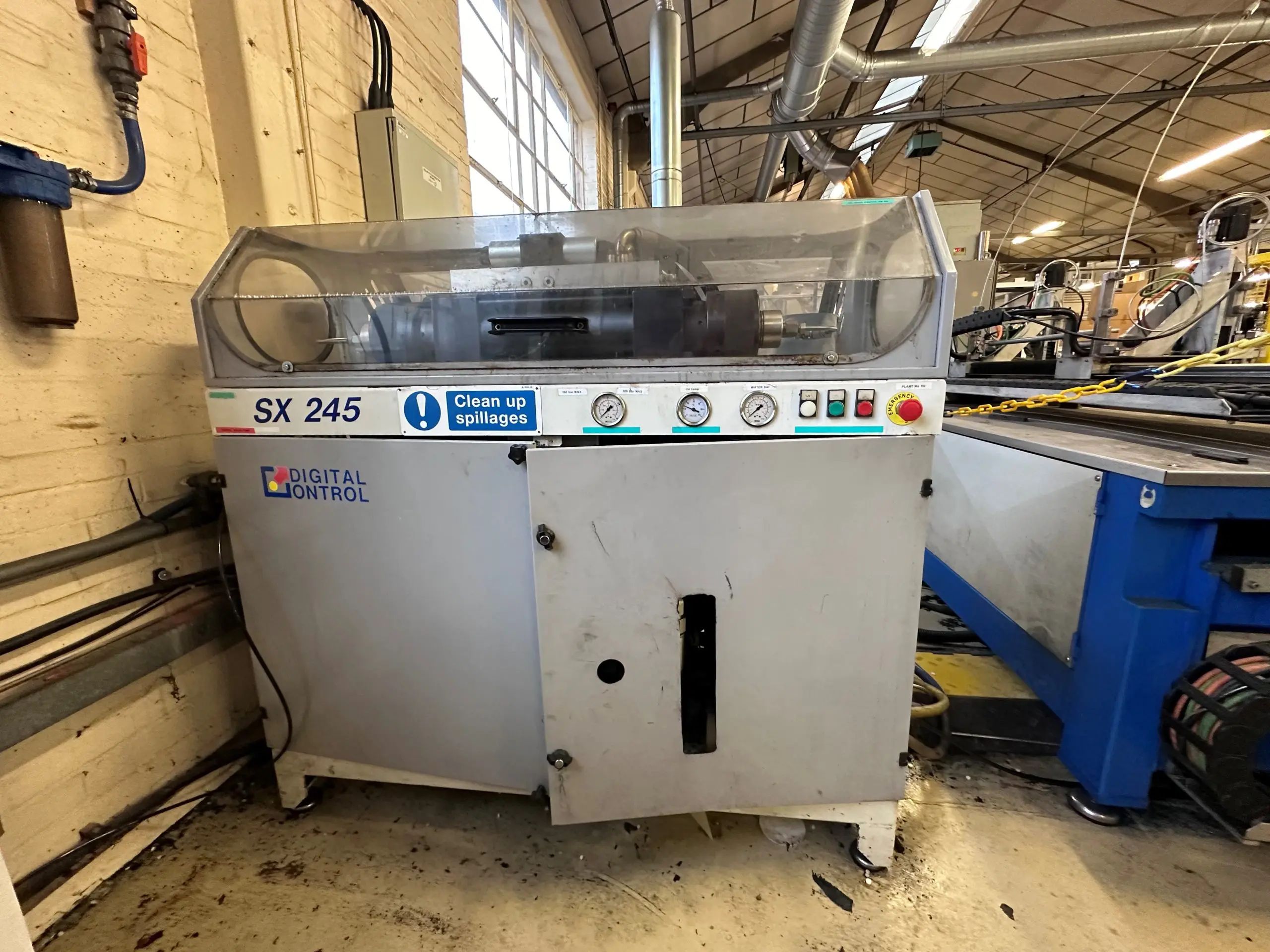
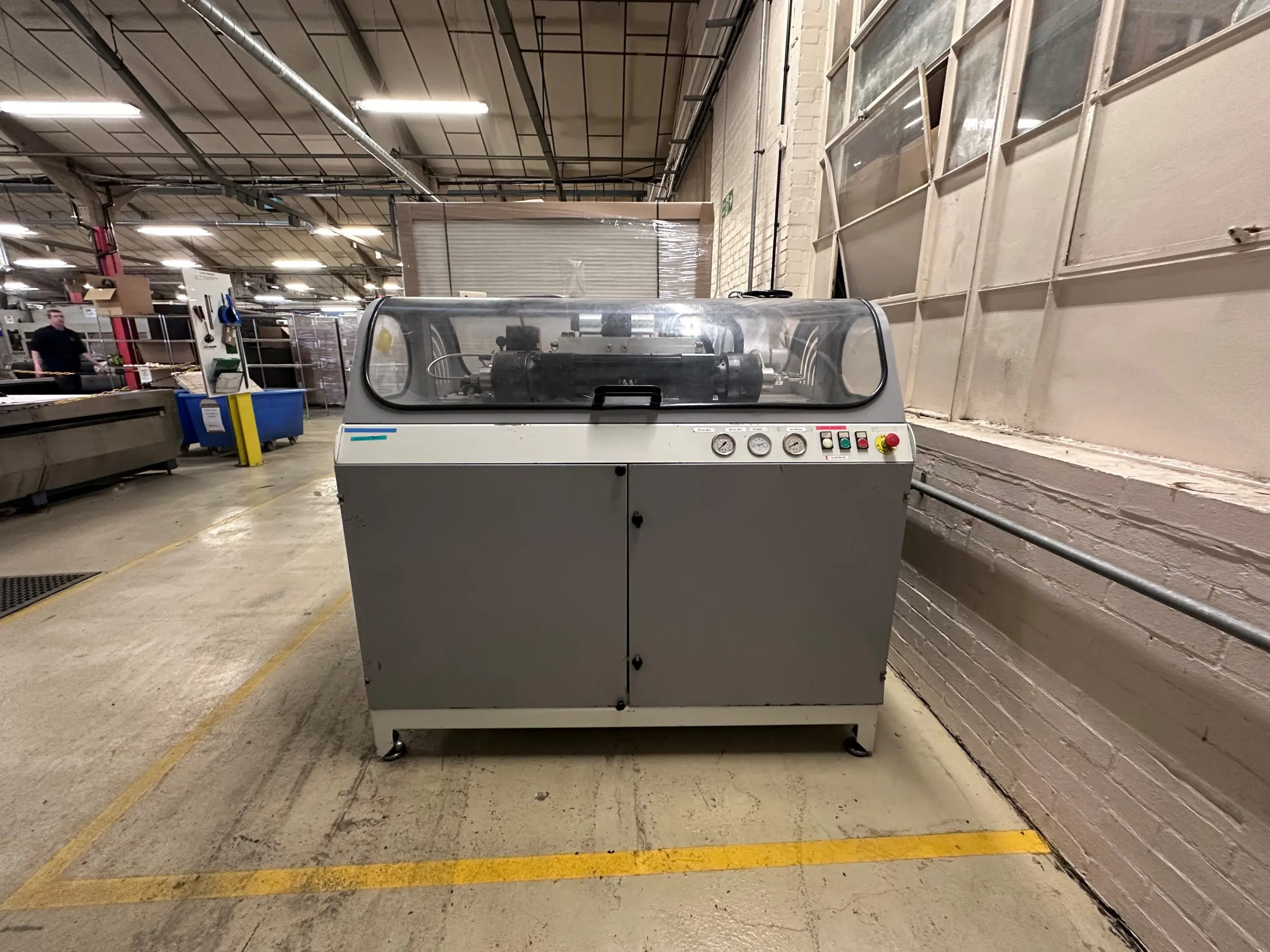
Technological Water Jet SX245 Digital Control High Pressure Pump
Read more >
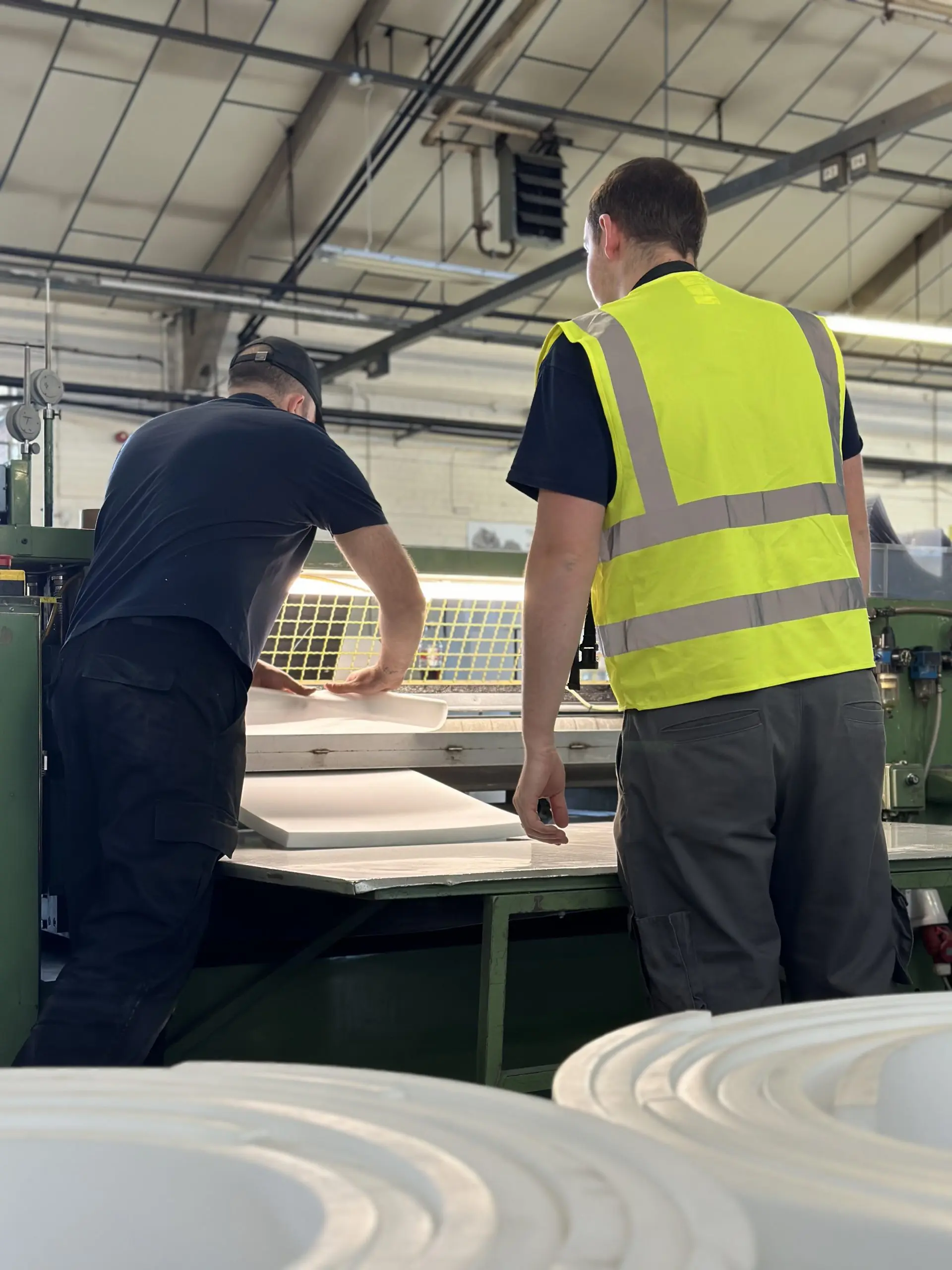
How an initial idea, drawing or sample becomes a production-ready foam component
Whether you’re developing a new product, redesigning an existing component or replacing an obsolete part, the route from concept to production has a significant impact on quality, cost and lead times. A bespoke foam component may begin with a CAD drawing, physical sample, initial concept or engineering problem. Kewell Converters works with the customer to understand what the component needs to achieve, then develops a practical solution that brings together material selection, component design and the most appropriate manufacturing method.
A typical process includes:
Although every project is different, following a structured engineering process helps identify potential issues early, reduce redesigns and create a smoother transition into repeat production.
The first step is to understand what the customer is trying to achieve and what the foam component must do within the wider application.
These discussions allow Kewell Converters to identify the key performance requirements, highlight potential constraints and advise on the most practical route forward. A foam gasket, protective insert or aerospace panel may require very different properties. By understanding the application and the problem the customer is trying to solve, Kewell Converters can recommend a material and component design based on the required performance, not simply dimensions, appearance or price.
Foam material selection and component design are rarely considered in isolation. Kewell Converters works closely with customers during the early stages of a project to understand the required outcome and develop a solution in which the material, component design and manufacturing method work together.
Read our practical guide to performance, protection and making better decisions in the design process for more on this.
The technically obvious material or design is not always the most effective overall solution. A material may perform well in service but be unnecessarily difficult or costly to manufacture, while a relatively small design adjustment may improve performance, reduce waste or shorten production time. Density, cell structure, compression resistance and cutting behavior can all affect how the finished part performs and how efficiently it can be manufactured.
Kewell Converters may work from a CAD file, physical sample or initial sketch. During Kewell Converters’ pre-production review, the engineering team may recommend adjustments to improve tolerances, reduce material waste or simplify production before the component moves into prototyping. The most appropriate manufacturing process can then be selected. Depending on the design and material, this could include CNC routing, water jet cutting, die cutting, contour cutting, moulding or lamination.
For a new or complex engineered foam component, prototyping provides an opportunity to test the material, dimensions, fit and function before committing to a full production run.
The prototype may reveal that a tolerance needs adjusting, a different foam grade would perform better or a feature could be simplified. These changes are usually quicker and less costly to make at this stage than after production has started.
Once the prototype has been reviewed and approved, the final design can be prepared for repeatable manufacture.
The approved CAD design is translated into the machine instructions needed to manufacture the component. Cutting paths, tool selection, speeds and material positioning must all be considered.
The aim isn’t simply to reproduce the shape. The process must account for how the foam behaves during cutting, routing, welding or forming. This is particularly important where tight tolerances, complex profiles or consistent repeat production are required.
For example, different foam grades compress, recover and cut differently, so programming needs to account for these characteristics to achieve consistent results. What quality checks take place before delivery?
Finished foam components should be checked against the approved design and specification. Inspection requirements should be agreed around the application, drawing and any critical performance or compliance needs. Depending on the project, inspections may include:
The parts can then be labelled, protected and packaged for delivery. If a check highlights a potential issue, our engineering team can investigate the cause and advise on the most practical corrective action before delivery. Controlled drawings and stored machine programmes also help support consistency on future repeat orders.
The quality of a bespoke foam component is determined long before the first production part is cut. Early engineering input can prevent unsuitable material choices, reduce rework and create a more efficient route from concept to manufacture. It also gives customers access to technical guidance while key decisions are still open, allowing potential problems to be resolved collaboratively rather than carried into production. By considering design, materials and manufacturing together from the outset, engineers can reduce risk, shorten development time and create components that are easier to manufacture consistently.
A structured, consultative development process also gives engineers, procurement teams and quality managers greater confidence that the finished component will meet its intended performance, compliance and production requirements. This solution-led approach goes beyond simply manufacturing to a drawing: it keeps the application, the problem to be solved and the practical production requirements at the centre of each decision.
Kewell Converters combines material knowledge, CAD/CAM design, prototyping and in-house manufacturing with a consultative, problem-solving approach to support engineered foam projects from initial concept through to production.
Send Kewell Converters a CAD drawing, sample or initial brief. The team can review the application, advise on material and manufacturing options and help identify practical next steps.
Yes. While many customers provide CAD drawings, projects can also begin with a physical sample, sketch or initial concept. Kewell Converters’ in-house CAD/CAM design team can reverse engineer existing components, develop detailed drawings and produce 2D and 3D visualisations before manufacturing begins. Rather than simply reproducing the sample, the team can review how the existing component performs and advise whether changes to the material or design could improve the solution. This allows customers to validate the design before moving into production and is particularly valuable when replacing obsolete parts or refining an existing design.
The more information available at the start of a project, the better. Useful information includes CAD drawings or samples, dimensions, operating conditions, production volumes, performance requirements and any environmental or compliance considerations. If some of these details haven’t yet been defined, Kewell Converters’ engineering team can provide technical guidance on material selection, tolerances and manufacturing options, helping to define the requirements and develop the most suitable solution.
Prototyping provides an opportunity to confirm that a component performs as intended before committing to production. It allows engineers to assess fit, function, material performance and manufacturability, while identifying any design improvements at an early stage. It also creates a clear point for the customer and engineering team to review the results together, resolve any issues and agree the most practical route forward. This helps reduce risk, avoid unnecessary waste and gives greater confidence that the approved component can be manufactured consistently at production scale.
Bespoke foam components are used across a wide range of industries where performance, protection and precision are essential. Kewell Converters supports customers in sectors including aerospace, defence, industrial engineering, electronics, medical and hygiene, supplying engineered foam solutions for applications such as protective packaging, gaskets, seals, insulation, vibration control and specialist fabricated components.
Yes. Kewell Converters provides end-to-end engineering support, from material selection, CAD/CAM design and prototyping through to CNC manufacturing, quality inspection and delivery. By combining
in-house engineering expertise with advanced manufacturing capabilities, customers benefit from a single, solution-led partner who can help define requirements, advise on technical options, refine designs, solve production challenges and deliver consistent, repeatable foam components throughout the life of the project.
Nick Kewell is Managing Director of Kewell Converters, a family-owned British foam conversion specialist based in Kent. Kewell Converters supports customers across defence, aerospace, medical, electronics and industrial engineering with material guidance, design support, prototyping and precision foam conversion.
14th September 2026
Read more >
14th September 2026
Read more >
14th September 2026
Read more >