17th March 2026
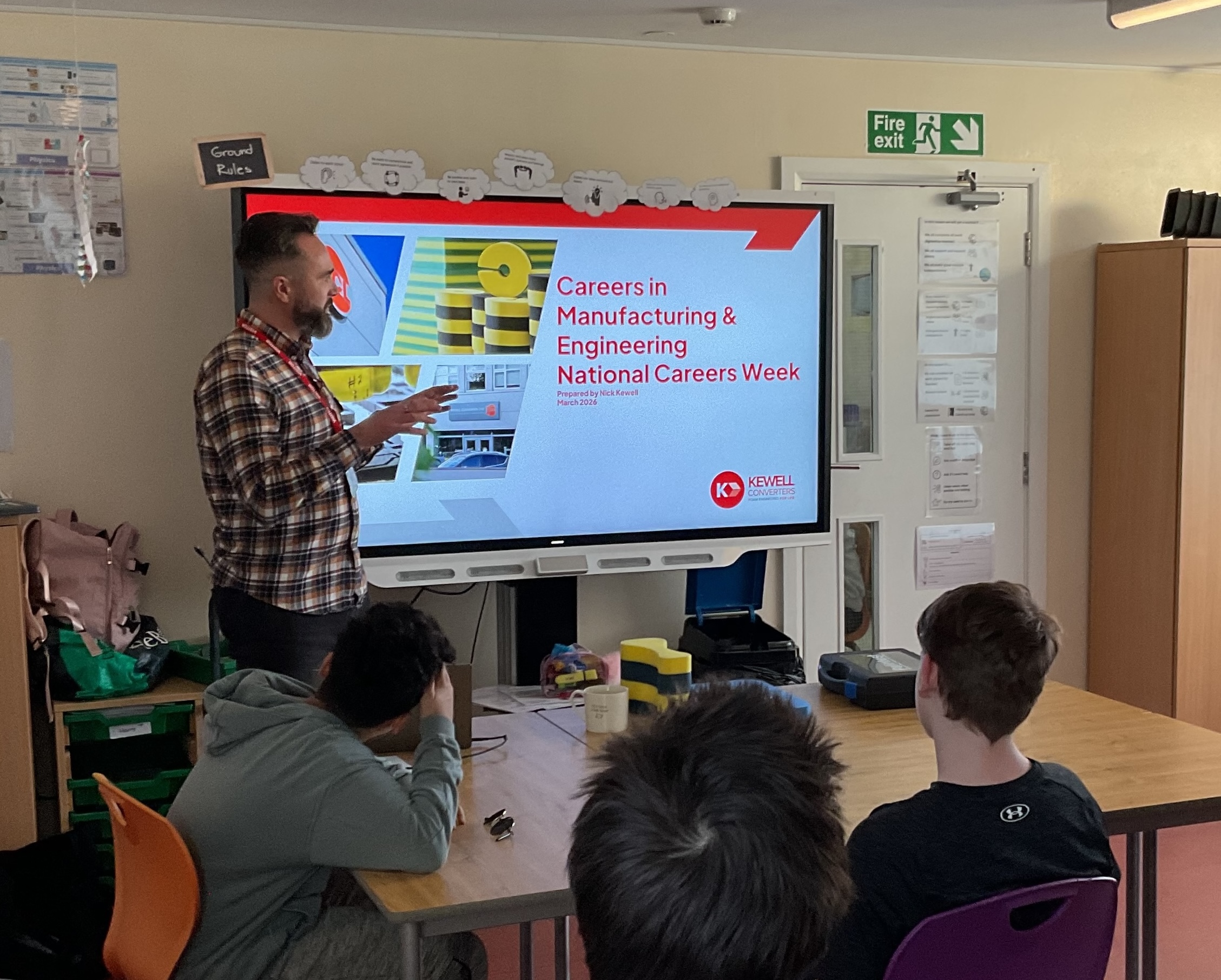
Kewell Converters welcomes SEN students to explore engineering careers
Read more >
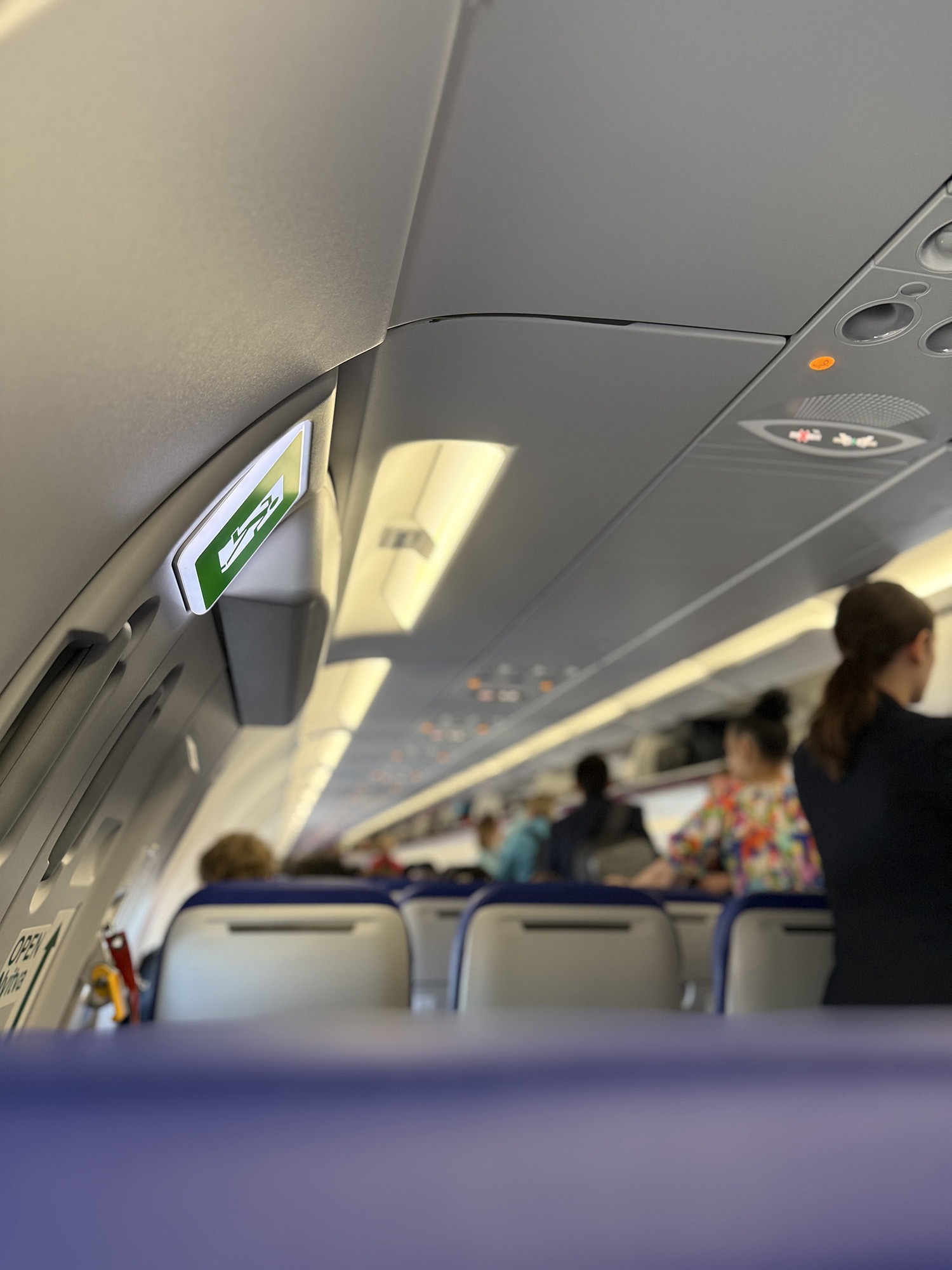
When you’re specifying materials for aircraft interiors, foam isn’t a finishing detail. It forms part of the safety case, the weight strategy, the comfort specification and the long-term durability plan.
If you work in aerospace procurement, engineering or quality, you’ll recognise the balancing act:
That’s why ZOTEK® F OSU grades are frequently specified in aviation and aerospace interiors.
At Kewell Converters, we are a UK aerospace foam supplier and specialist converter. We convert high-performance materials such as ZOTEK® F OSU into repeatable, application-fit components that integrate properly into regulated aerospace supply chains.
ZOTEK® F is a closed-cell, crosslinked PVDF (fluoropolymer) foam. PVDF materials are known for combining lightweight performance with strong chemical resistance and thermal stability.
According to Zotefoams, ZOTEK® F offers:
For aviation and aerospace interiors, the ZOTEK® F OSU grades are positioned as combining strong fire performance with processing versatility. Zotefoams also references weight reduction potential of up to 70% compared with traditional materials, depending on application and configuration.
The range spans grades from flexible through extra-rigid, allowing engineers to select mechanical performance appropriate to the application.
UK and European aerospace programmes typically reference EASA CS 25.853, while international or export aircraft platforms may also reference FAA FAR 25.853.
The standards are closely aligned, and many aerospace programmes require materials that support compliance under both certification frameworks.
However, compliance isn’t simply about the raw foam sheet. Fire performance can depend on:
For procurement and engineering teams, the safest approach is always to confirm how the finished component is configured, not just the base material grade.
Aerospace interior applications typically focus on three key performance areas:
Weight reduction matters across fleets, and interior components are multiplied throughout aircraft cabins and systems.
Where FST requirements shape material selection, ZOTEK® F OSU is often evaluated early in the specification process.
Interior materials must withstand thermal cycling, vibration, cleaning regimes and long service lifecycles without degradation.
Typical aerospace applications may include:
Material suitability must always be assessed against the specific assembly and certification requirement.
Selecting the correct foam grade is only part of the decision.
In regulated aerospace programmes, conversion capability can directly influence approval timelines and programme risk.
A foam part must:
Even a compliant material can introduce risk if conversion tolerances are inconsistent.
At Kewell Converters, we support aerospace customers through:
Our role is to convert certified materials into reliable, application-ready components.
If you’re assessing ZOTEK® F OSU for an interior application, these questions often prevent delays later:
Clarifying these early can reduce redesign risk and approval delays.
As aerospace platforms increasingly serve international markets, materials must align with both UK/EASA and global certification frameworks.
Procurement teams aren’t simply buying foam. They’re sourcing:
That is where a specialist UK foam converter adds value.
If you would like to see how we approach high-reliability foam conversion in practice:
Certain ZOTEK® F OSU grades are tested to meet recognised flammability, smoke density and toxicity requirements aligned with CS 25.853 (EASA) and FAR 25.853 (FAA), depending on grade, thickness and configuration.
Compliance should always be confirmed at the level of the finished component, as adhesives and laminations may affect final performance.
FAR 25.853 is the FAA (United States) flammability regulation for transport-category aircraft interiors.
CS 25.853 is the EASA (European/UK) equivalent.
Many aerospace programmes reference both standards, particularly where aircraft are certified for international markets.
ZOTEK® F is a crosslinked closed-cell PVDF foam known for:
These properties support use in insulation panels, acoustic components, seals, gaskets and specialist protective packaging.
No. Kewell Converters doesn’t manufacture ZOTEK® foam.
We are a UK-based foam converter. We work with aerospace-grade materials such as ZOTEK® F OSU and convert them into precision components that meet application, tolerance and documentation requirements.
In regulated industries such as aviation, conversion quality directly affects:
Working with a specialist converter helps reduce risk and ensures components align with aerospace supply chain expectations.
Zotefoams positions certain ZOTEK® F OSU grades as offering significant weight reduction potential compared with traditional interior materials, depending on application.
Material selection and component design should always be assessed within the context of the specific assembly and certification requirements.
About the author
Nick Kewell is an engineer and the Managing Director of Kewell Converters, a UK-based foam conversion specialist with more than 50 years’ heritage in delivering engineered solutions for defence, aerospace and industrial applications. Under Nick’s leadership, Kewell Converters has combined this heritage with modern engineering practices, advanced material knowledge and application-led design thinking, a journey he often reflects on in industry conversations and during engineering events like World Engineering Day. You can connect with Nick on LinkedIn.